No articles yet
Check back soon for cat care tips and adoption guides!
Loading articles...
12 cats available
adopted cats
About once a week, no account needed.
 available
Scottish Fold
 available
Mixed Breed
 available
Domestic Shorthair
 available
Domestic Shorthair
 available
Domestic Shorthair
 available
Mixed Breed
 available
Domestic Shorthair
 available
Domestic Shorthair
 available
Domestic Shorthair
 available
Scottish Fold
 available
Mixed Breed
 available
Domestic Shorthair
Rescue • Nov 19, 2026
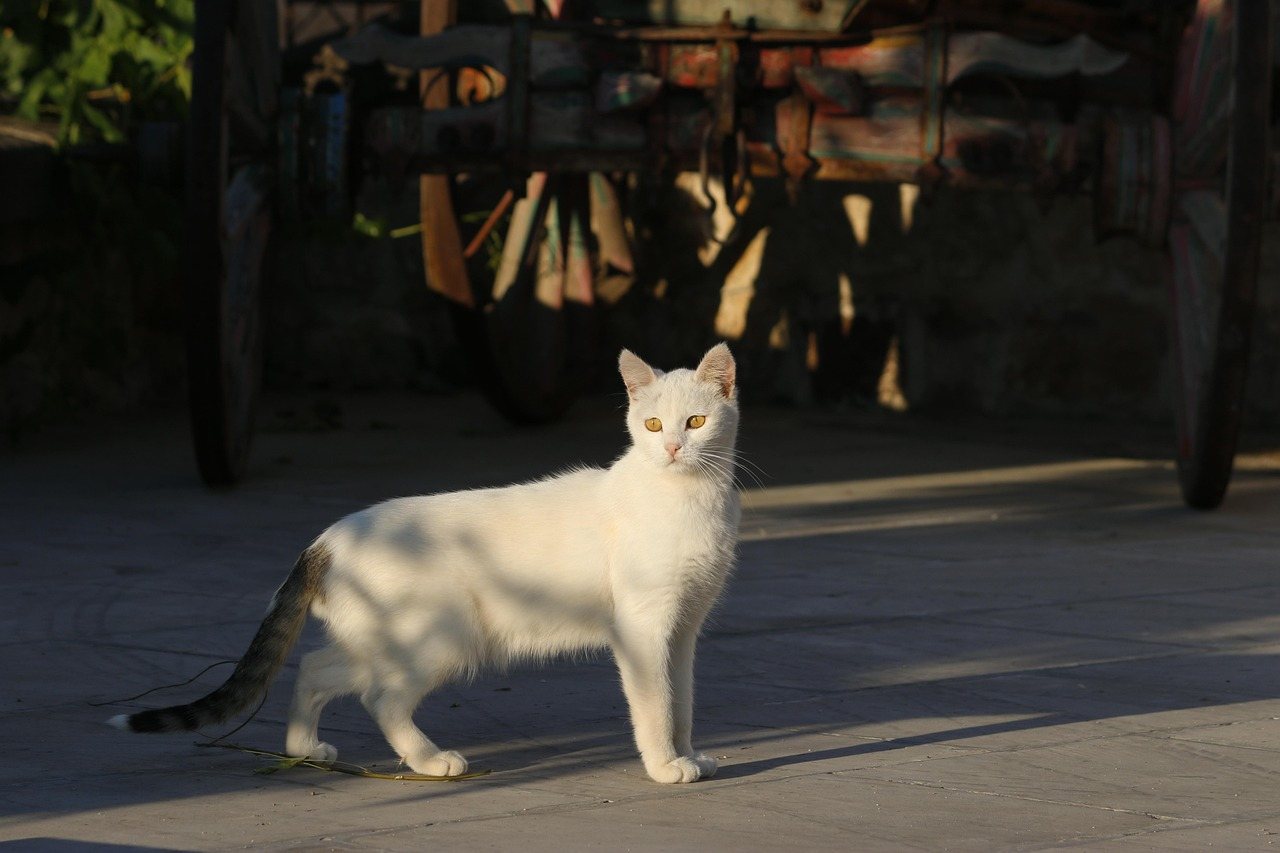
You have found a cat outside. Maybe it is sitting by a car park, crying under a stairwell, or hiding behind a wheel. You do not need to solve everything today. You need to do four things in order: keep the cat safe, keep yourself safe, get it checked by a vet, and find out if it belongs to someone.
Here is how each step works in practice.
Spend a few minutes watching from a distance before you approach. Note how the cat moves and behaves. Trouble signs that need a vet quickly include holding a leg up, an open wound, laboured breathing, discharge from the eyes or nose, dragging the back legs, or being too weak to stand.
A cat that walks up to you and rubs against your leg is likely used to people. It may be someone's pet that slipped out through a door. A cat that flattens its ears and bolts is more likely living outdoors.
If you find kittens on their own, do not collect them straight away unless they are in danger. Watch from a doorway or a car for an hour or two. Mother cats move their kittens often and usually come back. Step in if the kittens are cold, dirty, constantly crying, injured, or sitting in traffic or full sun.
Do not pick up a cat that hisses, growls, or swipes. Come back with thick gloves, a towel, and a carrier, or ask someone to help you.

Move slowly, crouch down, avoid staring, and talk quietly. Set food a little way from you and let the cat come to it. Once it is eating, you can often close it into a bathroom, a spare room, or a carrier without a chase.
A cat carrier is best. A sturdy cardboard box with air holes and a towel on the bottom works for short trips. Keep the box level and closed.
In Qatar the heat is a genuine risk. Never leave a cat in a parked car, in a closed box in the sun, or on a balcony in direct afternoon sun. Move it to the coolest, quietest room you have and put water down. Enclosed balconies and open windows are dangerous for a frightened cat, so keep it in an interior room until it has settled.
Keep the new cat completely separate from your own cats for now. Different rooms, different bowls, and wash your hands between them.
Book a vet visit even if the cat looks healthy. A vet can scan for a microchip, which is the fastest way to find an owner, and can check the mouth, eyes, ears, skin, weight, and any wounds. Fleas, ear mites, and worms are common in cats that live outdoors.
Tell the vet where you found the cat, roughly how old you think it is, and anything you noticed about how it was walking or eating.
Do not give any medicine, drops, tablets, or cream on your own, and do not use a product made for dogs. Many are dangerous for cats, and the right product and amount depend on the cat's age and weight. Ask your vet what to use and when.
Ask about vaccinations, deworming, and when neutering should happen. If you already have cats at home, ask what testing and waiting period your vet recommends before they meet.
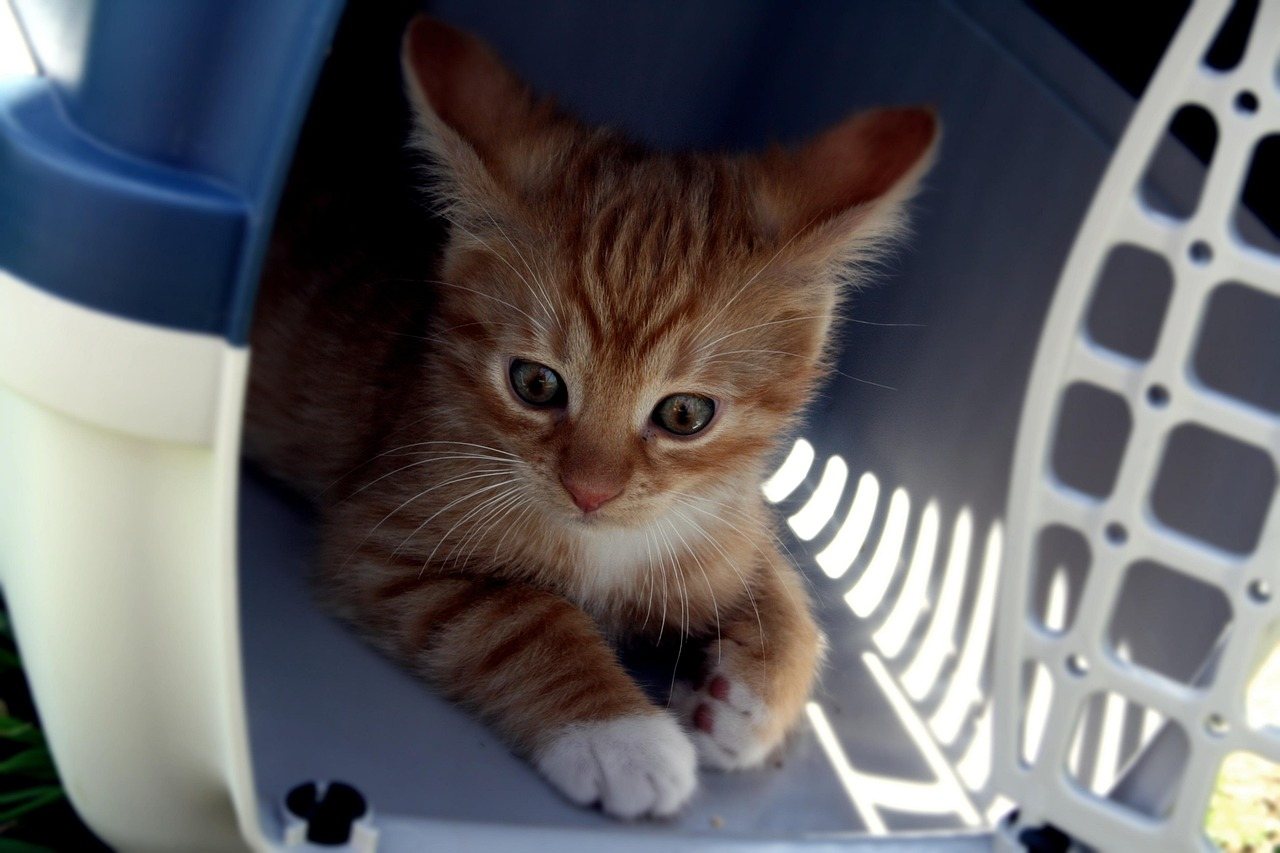
Keep things simple. Set up one small room with:
Leave the cat alone for the first day or two apart from quiet company. A frightened cat may hide and not eat while you are watching. Note whether it eats, drinks, and uses the tray. If it stops eating, seems to be in pain, or gets worse, call your vet.
If you plan to keep the cat, check with your landlord or building management first about keeping an animal in your flat.
Before you look for a new home, look for the old one. Cats slip out of apartments and villas all the time, and someone may be searching.
Ask anyone who claims the cat for photos of it, a vet record, or the date it went missing. Give it a reasonable amount of time before you decide nobody is coming.
If the cat is not yours to keep, rehoming it properly is the goal. Returning it to the street is not a safe option for a cat that has been living in a flat.
Before you list it, get it vet checked, treated for parasites, vaccinated as your vet advises, neutered if it is old enough, and using a litter tray reliably. Then write an honest description: estimated age, how it behaves with people, and how it reacts to children, dogs, and other cats.
Meet adopters in person and ask real questions. Who will feed it, who pays for vet care, does the whole household agree, are there other pets, what happens if they move or travel. Ask for photos of the space where the cat will live, and mention balcony and window screens if they live in an apartment. Follow up after a week to check the cat has settled.
Do not hand a cat over in a car park to someone who will not share any details about their home.
You can list the cat for adoption on Qittat (qittat.qa), where adopters send you a request directly and you stay in charge of who takes the cat home.
Ready to give this cat a loving home?
Get an email when new ones are listed. About once a week, no account needed.
Lost & Found isn't available yet.
Cats reported missing in Qatar. If you've seen one, tap it and let the owner know.
If your cat is missing, post it here.
Don't pay anyone who says they've found this cat. Qittat never asks for money.
We hope it stays that way! If your cat goes missing, report it here.
Click the heart icon on cats you like!
Browse cats and submit adoption requests!
| Cat | Status | Date | Notes |
|---|---|---|---|
|
|
Click "Add Cat" to list your first cat for adoption!
When users request to adopt your cats, they'll appear here.
Your profile is visible to users when they view your cats. A complete profile helps build trust with potential adopters.
About
Your bio will appear here...
Reports from users will appear here.
Automatically fetch and sync all users from Supabase. No manual input required.
Copy user details from Supabase Dashboard to add a single missing user.
| User | Role | Status | Joined | Actions |
|---|---|---|---|---|
|
|
Disabled |
|
| Name | Phone | Date | Action | |
|---|---|---|---|---|
|
|
| Image | Name | Breed | Status | Rescuer | Location | Social | Actions |
|---|---|---|---|---|---|---|---|
|
|
Mode: (LOST_CATS_MODE in .env: off = admins only, beta = banner only, on = in the menu)
| Cat | Area | Owner | Status | Sightings | Open reports | Posted | |
|---|---|---|---|---|---|---|---|
|
|
One draft is written each morning. Nothing is public until you approve it here. Writing is switched off. The topic list is used up.
| Article | Status | Arabic | Length | Date | |
|---|---|---|---|---|---|
|
|
Not translated Live |
Have a question or faced an issue? We'd love to hear from you.
We typically respond within 24-48 hours
Quick Tips
Thank you for reaching out. We'll get back to you within 24-48 hours.
Help us keep the community safe
Thank you for helping keep our community safe. We'll review your report shortly.
Get notified when someone wants to adopt your cats or when your adoption requests are approved.
Cat care tips, adoption guides, and stories from Qatar
Check back soon for cat care tips and adoption guides!
Loading articles...
Send the link to your WhatsApp groups so more people see it.
Share on WhatsAppReset link sent!
Check your email and click the link to reset your password.
Don't have an account? Sign up
Join Qittat Qatar
Already have an account? Sign in
We sent a confirmation link to
Click the link in the email to confirm your account, then come back here to sign in.
Enter your new password below
Your report is public, so leave out your phone number and address. People who see your cat message you through Qittat, and you decide who gets your number.
The owner has been notified. If they think it's their cat, they'll share their contact and you'll get an email and notification.
Thanks — the Qittat team will review it.
Member since
No cats available at the moment.
Member since ( days)
No previous adoption requests
No suspicious matches found.
No adoption requests from this account yet.